- Date
- November 24, 2026
- Prepared by
- Elena Vasquez
Binance Reopens Withdrawals After $6.3 Billion Cyberattack
Binance said it had replenished 98% of affected token assets by Nov. 3 after a $6.3 billion Oct. 29 hack. Its recovery gives PR teams a practical crisis playbook.
Action points
- About $6.3 billion was drained from Binance hot wallets on Oct. 29, 2026.
- Binance issued its first X statement about an hour after the attack and began reopening withdrawals three days later.
- By Nov. 3, Binance said it had replenished 98% of affected token assets with its own resources.
- Net withdrawals reached $3.64 billion in the first 9.5 hours and $4.7 billion by the next morning.
- Binance’s report attributed the compromise to North Korean fake recruiters, fake interviews and a malicious assignment.
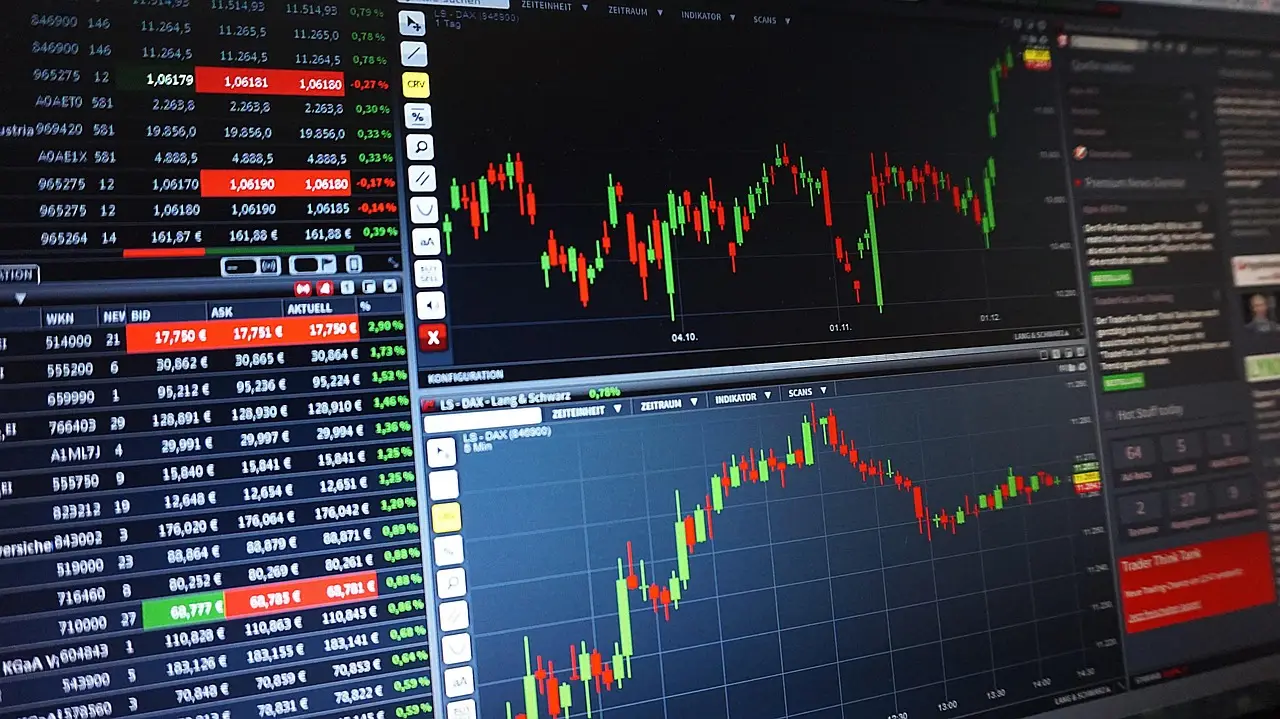
Hackers drained around $6.3 billion from Binance’s hot wallets on Oct. 29, 2026, in what could be the largest crypto theft in history; the exchange is the world’s largest cryptocurrency exchange.
What did Binance say, and when?
Binance posted its first public statement on X, formerly Twitter, about an hour after the attack began. It followed with regular updates, each adding new information rather than recycling one holding line.
The channels had specific jobs. X and Telegram gave users real-time information; LinkedIn addressed partners and the wider industry; media interviews reached journalists, investors and regulators following the story.
Binance’s official website security update became the single source of truth, with the other channels linking back to it. Co-CEOs Richard Teng and Yi He supplied specific timelines on X.
Binance began reopening withdrawals three days later, as promised. Its detailed technical report followed four days later, on Nov. 3, alongside a public apology.
Takeaway: A fixed evidence hub and channel-specific updates gave the response a clear operating structure.
What financial commitment followed?
Within four hours of the attack, Binance committed on X to cover all losses. The money would come from the company’s own funds and its Secure Asset Fund for Users (SAFU).
Binance created SAFU in 2018 as an emergency reserve for cases like this. The exchange repeated its loss-coverage commitment later that night on its website.
By Nov. 3, Binance said it had replenished 98% of the affected token assets using its own resources.
Takeaway: A specific reimbursement promise gave customers something more concrete than an apology.
Why did executives speak directly?
Co-CEOs Richard Teng and Yi He addressed users directly on X rather than leaving all communication to the corporate account.
Teng recorded a video explaining what had happened. Yi He promised withdrawals would resume within 48 hours.
Once the technical report was out, Teng took questions from CNBC and Fox Business and repeated the apology on air: “This should not have happened.”
Takeaway: Visible executives made the response more personal than a corporate-account announcement.
How did the attack explanation change?
Binance’s first explanation pointed to a single compromised engineer’s laptop. Its technical report later attributed the compromise to North Korean hackers posing as recruiters on LinkedIn.
They staged fake job interviews, persuaded the engineer to download a malicious “assignment,” and reached other employees with wallet access.
The early account wasn’t wrong, but it was incomplete. The communication lesson is to label early findings as preliminary and use the Krebs Framework: say what is known, what remains unknown, and when the next update will arrive.
Takeaway: Label early findings as preliminary; precision without evidence becomes a credibility risk.
How did Binance explain why withdrawals stopped?
Binance repeatedly said user funds were safe while withdrawals remained suspended. That combination raised an obvious customer question: if the money was safe, why could customers not access it?
Reassurance alone could not answer. The stronger explanation was that the pause itself protected customers’ funds. Co-CEO Yi He put it this way: “Our top priority right now is to ensure the environment is secure, after which users can withdraw their funds.”
Takeaway: Tie any access pause to the protection it provides, not merely to reassurance that no loss occurred.
What did withdrawals reveal about trust?
During the first 9.5 hours after withdrawals reopened, customers pulled a net $3.64 billion, Binance said. That equaled about 2.1% of its assets, and most of the money left in the first few hours before outflows stabilized.
By the next morning, net withdrawals had reached $4.7 billion, Bloomberg reported, still under 4% of the platform’s assets. Some traders told Reuters they were keeping their accounts.
That does not establish a collapse in confidence, but it does not prove trust had returned either. Trust was no longer just a reputational issue; it appeared on the balance sheet as customers decided whether to keep money on the platform.
Each update could influence those decisions, so behavior provided a more useful test than headline volume. Still, the figures do not isolate messaging from other reasons customers moved or retained funds.
Takeaway: Withdrawals gave communicators a live behavior signal, but not a verdict on whether trust had returned.
What should comms teams prepare?
Calibrated co-founder and CEO Julia Petryk distilled the case into five practical instructions for PR teams:
- Prepare executives before all answers are available. People want to hear from leaders, not just a corporate account. Assign speakers to channels and prepare holding statements in advance.
- Use transparency without pretending certainty. Follow the Krebs Framework: explain what is known, what remains uncertain and when another update will arrive.
- Build verification into the response, not just messaging. Decide in advance what proof you can provide, ranging from independent audits to technical reports.
- Keep working after operations resume. Systems and funds can return in days, but trust takes longer, so service restoration should not trigger silence.
- Measure behavior, not only coverage. Customer withdrawals, retention and complaints show whether communication is working better than the number of headlines does.
The case offers a useful operating pattern, not a controlled test. Its withdrawal numbers measure customer behavior, but they do not prove that messaging alone changed a decision. Practitioners should read the playbook as a set of safeguards, not a causal scorecard.
Bottom line: Binance restored service and replenished 98% of affected token assets in days, but the real test is whether customers have enough reasons to trust the exchange again.
via prnewsonline.com (Source)
More from Elena Vasquez
Show full bio
Senior reporter covering companies, deals and strategy in communications business at Comms Memo.
38 articles
Also routed
- BankInfoSecurity: Cyber Crisis Comms Fail When Basics Slip
- Anthropic's Final S-1 Could Land October 23 While OpenAI's IPO Sits in Limbo
- Milton Advisers Takes $10K Monthly to Rehab Kirchner's Image
- Microsoft's Chief Communications Officer Shaw Is Departing
- Mbappé China Crisis: Three Sponsors Gone, CCTV Pulled LaLiga